

I Will Bringing Your Brand to Life The Art of Our Watercolor Logo
I Will A Splash of Creativity: The Story Behind Our Watercolor Logo
Creating a wonderful watercolor logo for your company is an incredible opportunity to showcase your brand’s creativity, elegance, and uniqueness. Watercolor designs offer a distinctive, hand-crafted look that can convey emotion, sophistication, and authenticity. Whether you’re in the fashion, wellness, art, or hospitality industry, a watercolor logo allows your brand to stand out by adding a personal and artistic touch. In this article, we will walk you through how to create a stunning watercolor logo, the key elements to consider, and how to craft compelling content for your website. Plus, we will provide you with a copy-paste HTML tag for easy integration.
1. Why Choose a Watercolor Logo for Your Company?
A logo is the cornerstone of your company’s identity. It’s often the first thing your customers or clients will see, and it needs to create a lasting impression. When you want your brand to appear elegant, unique, and approachable, a watercolor logo is an excellent choice.
Watercolor logos are often used to convey a sense of artistic flair, creativity, and personal touch. The soft, fluid nature of watercolor design creates an emotional connection with audiences, making it a popular choice for brands that want to appear approachable and creative, such as:
- Art and Design Studios
- Beauty and Wellness Brands
- Fashion and Lifestyle Companies
- Boutiques and Eco-friendly Brands
- Food and Beverage Services (especially organic or handmade products)
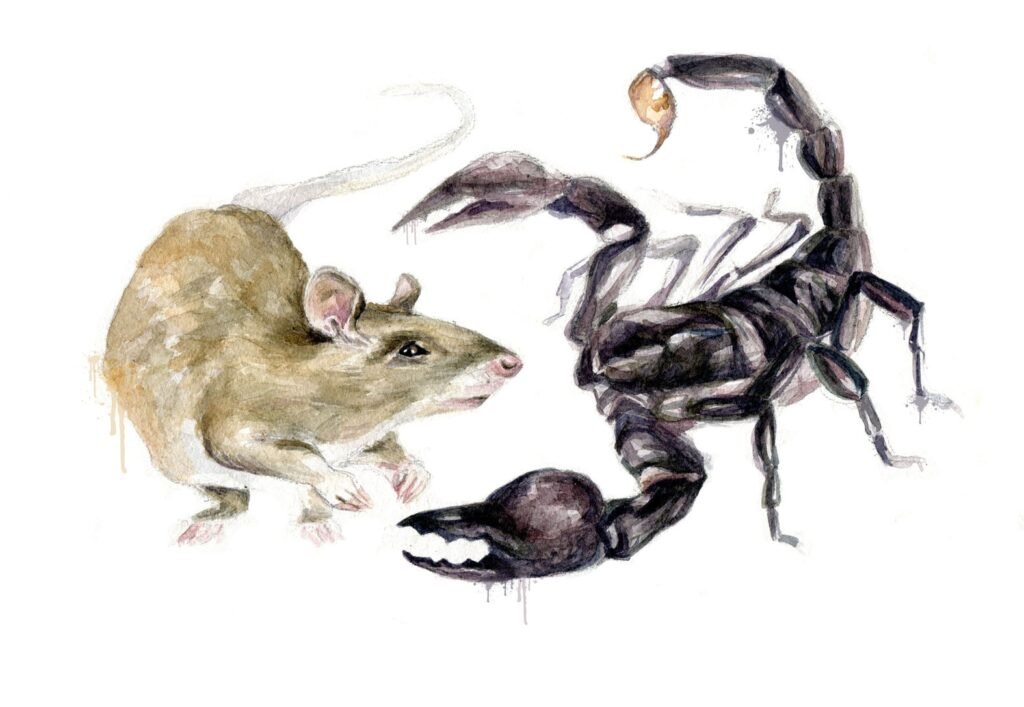
The beauty of a watercolor logo lies in its ability to combine artistic expression with business branding. Its fluid nature makes it stand out from typical graphic designs, offering a more personal, hand-crafted feel that can evoke warmth, trust, and creativity.
2. Key Elements to Consider When Designing a Watercolor Logo
A watercolor logo is more than just a pretty splash of color—it’s a carefully crafted design that should convey your brand’s essence. To create a truly wonderful watercolor logo, you need to consider several essential elements:
Typography
The typography in your watercolor logo should complement the artistic style of the watercolor elements. You’ll want a font that’s elegant, readable, and matches the overall mood of your brand. The typography should not overpower the watercolor; rather, it should act as a supporting element that enhances the overall design.
Some typography choices that pair well with watercolor logos include:
- Script Fonts: These fonts mimic handwriting and lend a personal, fluid quality to your logo. They work particularly well with more whimsical or boutique brands.
- Serif Fonts: These fonts are formal and professional, making them great for high-end or sophisticated businesses.
- Sans-serif Fonts: Modern and clean, sans-serif fonts create a sleek look when paired with the soft texture of watercolor.
Consider using fonts that have clean lines but also reflect the tone of your company—whether that’s more casual and fun or professional and upscale.
Color Palette
Color is one of the most important aspects of a watercolor logo. The right color palette can communicate the mood and emotion you want to convey to your audience. Here are some common color schemes for watercolor logos:
- Pastels: Soft colors such as light pinks, blues, lavender, and mint green are perfect for a calming, feminine, or natural feel. They work well for wellness, beauty, or eco-conscious brands.
- Bold Colors: Vivid shades like red, yellow, orange, and teal create a dynamic, energetic, and attention-grabbing look. Ideal for creative agencies, fashion brands, or cafes.
- Earthy Tones: Colors like terracotta, olive green, mustard yellow, and browns are great for brands focusing on nature, organic products, or earthy lifestyle choices.
- Neutrals with Pops of Color: A neutral palette (such as grays and beiges) with small bursts of watercolor can create a sophisticated and balanced look.
Ensure the colors you choose align with your brand’s message and aesthetic, as they will affect how people perceive your company.
Watercolor Texture
The texture of watercolor is one of the defining features of this style. Watercolor creates a fluid, hand-painted look, and the texture can range from smooth, blended washes to bolder, splattered strokes. This texture should be used thoughtfully to add depth, dimension, and movement to your logo. Some ideas for incorporating watercolor texture include:
- Gradient Washes: A smooth gradient from one color to another can evoke a sense of transition, calm, or balance.
- Abstract Shapes and Strokes: A few bold, flowing brush strokes or splashes can add personality and make the logo stand out.
- Soft Edges: The fluid nature of watercolor often results in soft edges that give your logo a delicate, organic feel.
Simplicity and Versatility
While watercolor designs are artistic, simplicity is still key. A successful logo should be easy to recognize, legible, and versatile across multiple platforms and formats. Watercolor logos are best when paired with minimalist elements, allowing the fluidity of the paint to shine without overwhelming the viewer. Be sure that your logo is scalable—whether it’s displayed on a small business card or a large banner.
3. How to Create a Wonderful Watercolor Logo for Your Company
Creating a watercolor logo is a process that involves both artistic inspiration and strategic planning. Here are the steps you should follow to design a stunning watercolor logo:
1. Define Your Brand’s Identity
Before you start designing, you need to understand your brand’s values and personality. What kind of message do you want your logo to convey? Is your brand playful and fun, or is it elegant and sophisticated? Your logo should represent the essence of your brand.
2. Choose Your Colors Wisely
The colors you select for your watercolor logo will influence how your brand is perceived. Choose colors that reflect your brand’s personality, message, and audience. For example, a wellness brand may choose pastel tones, while a creative agency may use bolder, more vibrant colors.
3. Experiment with Different Textures and Strokes
Play around with different watercolor textures—smooth gradients, bold splashes, or abstract shapes—to see what best complements your brand’s identity. The texture should add depth and movement to your design without making it overly complicated.
4. Select the Right Font
Choose a font that complements your watercolor design. The font should not compete with the watercolor texture but should add to the overall aesthetic. It should also be clear and legible, especially when scaled down.
5. Simplify and Refine
Once you have your design elements in place, take a step back and evaluate the logo for simplicity and balance. A good logo should be easy to recognize and should work across different mediums, from websites to social media and print materials.
6. Test for Versatility
Ensure that your watercolor logo looks good in all formats and sizes. Test the logo in black and white to make sure it remains effective even without the watercolor colors.
4. Describing Your Watercolor Logo on Your Website
Once your watercolor logo is designed, it’s important to explain the design’s meaning and relevance to your audience. The copy on your website should communicate the thought process behind the logo and how it aligns with your brand’s identity. Here’s an example of how you might describe your watercolor logo:
Logo Concept and Design
“Our watercolor logo is a reflection of the creative spirit that drives our brand. The fluid, hand-painted strokes symbolize the unique and dynamic nature of our services, while the carefully chosen color palette evokes feelings of elegance, trust, and professionalism. The soft edges and graceful transitions in the watercolor represent our commitment to providing personalized, thoughtful solutions for each of our clients.”
“The incorporation of delicate watercolor elements adds a sense of artistry and sophistication to the logo, while the typography maintains a clean, modern look to ensure the design is professional and timeless. This balance between creativity and clarity reflects our dedication to blending innovation with reliability in everything we do.”
5. Crafting Compelling Website Copy for Your Watercolor Logo
Once your logo is live on your website, you’ll want to tell its story. Here’s an example of website copy to introduce your watercolor logo:

Headline:
“Bringing Your Brand to Life: The Meaning Behind Our Watercolor Logo”
Introduction:
“Our logo is more than just a design—it’s the story of who we are. With its elegant, fluid lines and soft, organic colors, our watercolor logo represents the creativity, passion, and dedication that drive our company. It embodies our commitment to delivering unique, personalized services that speak to the heart of what we do.”
Body:
- Inspired by Art, Designed for You
“The watercolor texture in our logo was inspired by the art of painting—an expression of creativity, individuality, and attention to detail. Just as every brushstroke is carefully placed, we approach every project with the same level of care and creativity.” - Color with Purpose
“The color palette we chose reflects the values that guide our work. Soft tones for calm, balanced energy, and vibrant shades to represent our passion and dynamic approach. It’s a reminder that we bring life and personality into every project we take on.” - A Logo as Unique as Your Brand
“Our watercolor logo is a true reflection of the unique and bespoke solutions we offer our clients. No two projects are the same, just as no two brushstrokes are alike. We want our brand to feel personal, tailored, and crafted just for you.”
Conclusion:
“Our watercolor logo is more than just a visual—it’s the embodiment of our values. We hope that when you see it, you’re reminded of our commitment to creativity, quality, and service. As we continue to grow, our logo will remain a symbol of the personal touch we bring to everything we do.”

Leave a Comment