
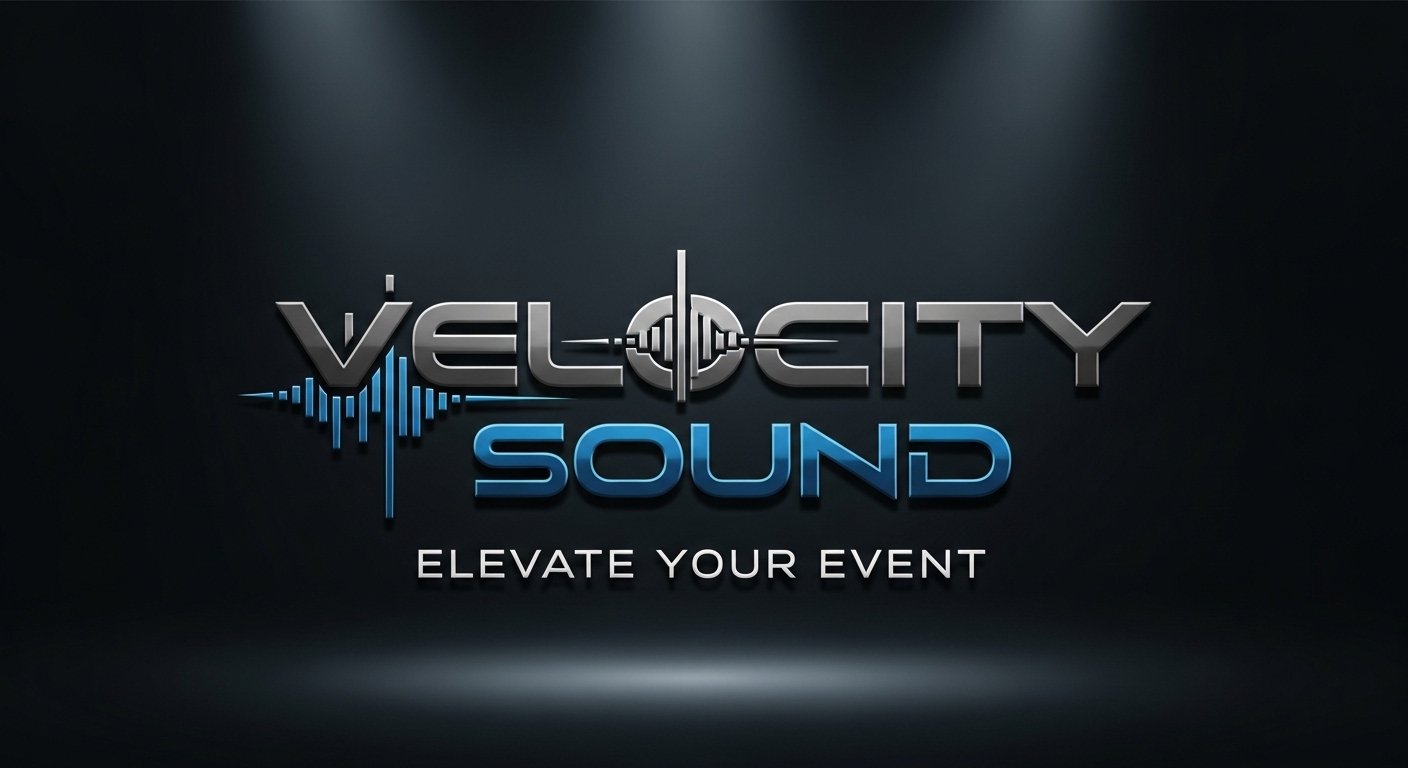
Color plays a huge role in the identity.
A dark base—such as black, charcoal, or deep navy—creates a nightclub or underground vibe. On top of that, neon accents like electric purple, cyan blue, or acid green can be applied to highlights or outlines. This combination evokes nightlife, LED lighting, and DJ performances. A gradient effect can also be used sparingly to give a digital, futuristic feel.
Another key design element is layering and transparency. Since the concept revolves around “deception,” overlapping text layers with slight misalignment can create a visual illusion. This gives the impression of movement, like a vibrating sound frequency. It also works well in motion graphics for DJ intros or live visuals.
Spacing and alignment should be tight and intentional. Slightly compressed letter spacing (kerning) gives a compact, impactful look, making the logo feel powerful and energetic. However, certain letters can break this rule to create tension—for instance, a slightly expanded gap before the last letter can create anticipation, like a beat drop.
For versatility, the logo should have multiple variations:
Primary logo: Full “DECEPTION” typography
Secondary mark: A monogram like “DCP” or a stylized “D”
Icon version: A waveform or abstract symbol derived from the typography
This ensures the brand works across platforms—Spotify covers, YouTube thumbnails, social media, merchandise, and stage visuals.
Texture can also enhance the design. A subtle grain, glitch noise, or digital distortion overlay can make the logo feel more raw and authentic. This is especially effective for genres like EDM, techno, trap, or experimental music.
Animation potential is another important factor. Since this is a music brand, the typography should easily translate into motion. Letters can flicker, glitch, pulse, or shift in sync with beats. Imagine the logo appearing with a distortion effect, then snapping into clarity right before a drop—this reinforces both the name and the musical experience.
Ultimately, the “Deception” typography logo should feel like an experience rather than just a word. It should capture curiosity, energy, and a sense of mystery. When people see it, they should expect something unexpected—just like the music itself.
This design approach ensures the brand stands out in a crowded music industry, while remaining flexible, modern, and visually striking. Whether on a festival screen or a mobile playlist, the logo becomes a signature—instantly recognizable and deeply connected to sound.

Leave a Comment